Inside FETSI Digital Futures Summit 2026: Industry Leaders Shape Africa’s AI Future
Boitumelo Makgoba | 29 July 2026
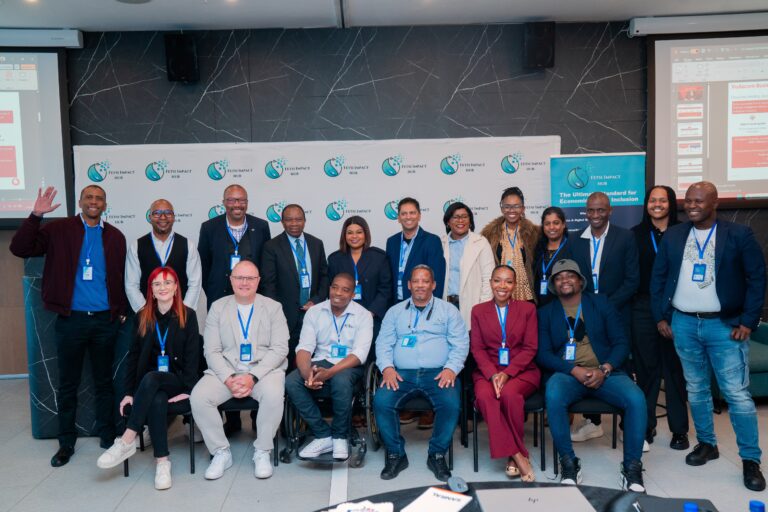
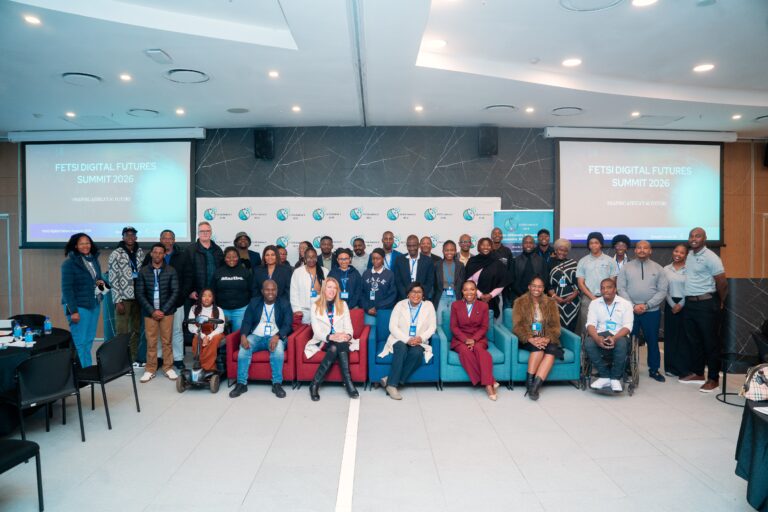
More than 200 technology leaders, policymakers, innovators, executives and digital transformation professionals gathered at the FETSI Digital Futures Summit 2026 on 24 July 2026 to tackle one of the continent’s most pressing questions: how Africa can move from adopting technology to building an inclusive, competitive and AI-driven digital future.
Hosted under the theme “Shaping Africa’s Digital Future,” the summit brought together voices from government, industry, academia and the technology ecosystem to explore how artificial intelligence, digital infrastructure, data, cybersecurity, skills development and innovation can accelerate economic growth across the continent.
Held as a platform for collaboration and action, the summit focused on a central message: Africa’s future will not be determined by technology alone, but by how effectively societies, organisations and governments use technology to create opportunity, inclusion and sustainable impact.
Innovation, AI and Africa’s Digital Transformation Agenda
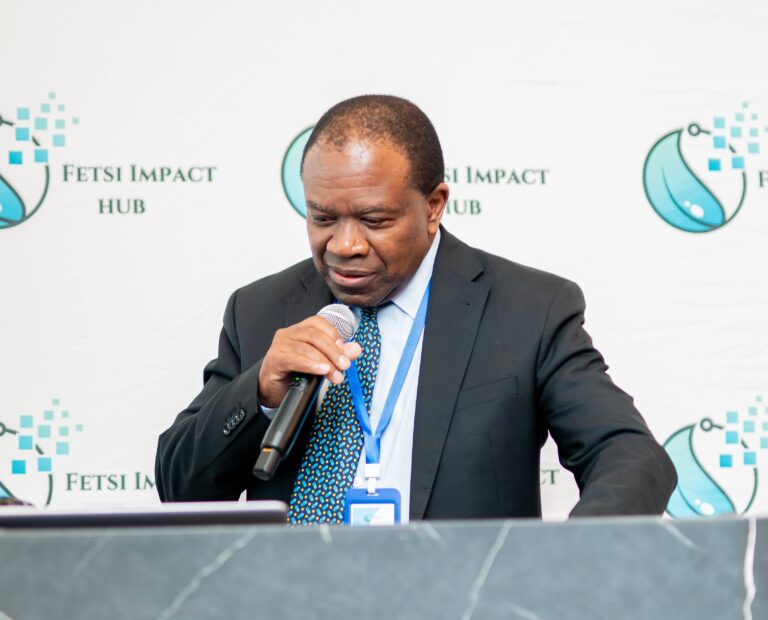
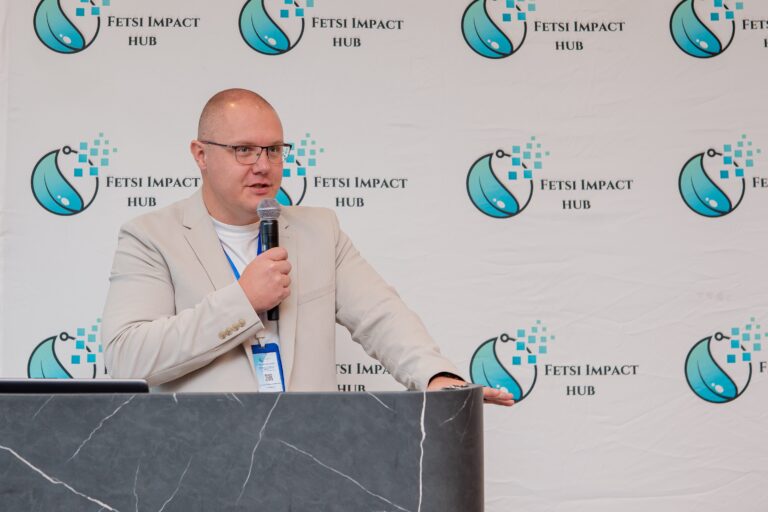
The summit opened with a strategic address from Dr Titus Mathe, CEO of the Technology Innovation Agency (TIA), who highlighted the critical role of innovation ecosystems in transforming ideas into scalable economic opportunities.
Dr Mathe emphasised that Africa’s competitiveness will depend on strengthening the pathway from research and innovation to commercialisation, supported by strategic investment, public-private partnerships and enabling policy frameworks.
As artificial intelligence and emerging technologies continue to reshape industries globally, he noted that Africa must focus not only on technology adoption but also on building the capabilities required to develop homegrown solutions that address African challenges.
The opening session established the foundation for the day’s discussions, focusing on innovation, entrepreneurship and the importance of creating an environment where African innovators can compete globally.
Building an Inclusive AI Future Through Policy and Collaboration
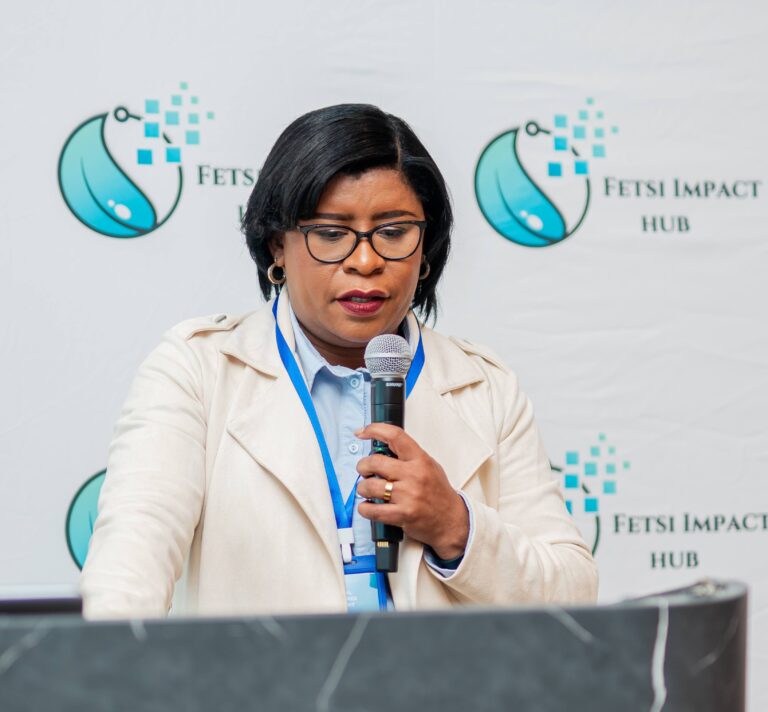
The summit advisory board address, delivered by Thenzie Stewart, Senior Manager: Financial Systems at the Council for Scientific and Industrial Research (CSIR), examined the importance of governance, accessibility and collaboration in shaping Africa’s AI ecosystem.
The discussion explored how digital policy, responsible innovation and inclusive technology frameworks can ensure that AI development benefits broader society.
Stewart highlighted that Africa’s AI journey requires a balanced approach that encourages innovation while ensuring trust, accountability and equal participation.
Preparing South Africa’s Workforce for an AI Economy
A key focus of the summit was the changing nature of work and the urgent need to develop an AI-ready workforce.
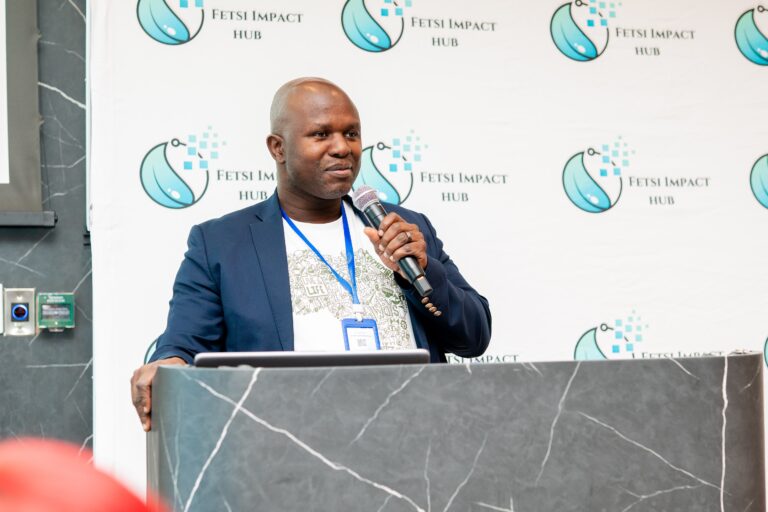
Moloti Nkune, Chief Information Officer at MICT SETA, addressed delegates on the role of digital skills development, inclusion and workforce transformation in preparing South Africa for an AI-enabled economy.
Nkune highlighted the importance of strengthening digital skills pipelines through education, industry partnerships and technology-enabled learning models.
He emphasised that organisations must move beyond viewing technology as an operational tool and instead position digital capability as a strategic driver of competitiveness, governance and economic participation.
Moving Beyond AI Hype to Business Impact
One of the summit’s key sessions focused on how organisations can move from AI experimentation towards measurable business value.
Zjaén Coetzee, CEO and Co-Founder of Nexus Data, challenged organisations to move beyond pilot projects and focus on practical AI implementation that delivers real outcomes.
Through his keynote, “Drive RAPPID Results: How to Make AI Work for the African Enterprise,” Coetzee explored how businesses can unlock value from their data, improve decision-making and build AI capabilities that support growth.
He highlighted that many organisations have access to significant volumes of data but continue to struggle with converting information into actionable intelligence.
The discussion focused on building AI fluency, improving data maturity and creating stronger connections between business strategy and technology execution.
From Data Science to Responsible AI Decision-Making
The summit also brought together experts to discuss the growing influence of AI-driven decision systems across industries.
The panel discussion, “AI in Decision-Making: From Data Science to Responsible Credit and Risk Systems,” examined how organisations are using machine learning models for credit scoring, fraud detection and risk management.
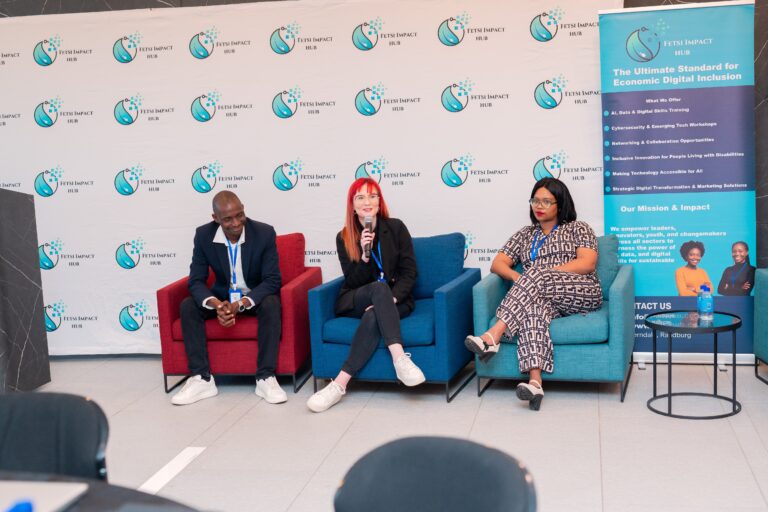
Industry experts including Helena Viljoen, Head of Data Analytics at Guardrisk; Thabiso Mdubeni, Manager: Credit Risk at MTN; Mabu Manaileng, AI Engineering Lead at Standard Bank; and Matshidiso Tau, Senior Data Scientist Lead at FNB, explored the importance of explainability, transparency and governance in high-impact AI applications.
The discussion highlighted that responsible AI requires more than accurate models. it requires systems that are fair, understandable and aligned with regulatory requirements.
Scaling AI Through Governance, Infrastructure and Trust
The conversation continued through several sessions focused on operationalising AI across African organisations.
Sashnee Naicker, AME Chapter Lead: Data Science at Heineken, explored the importance of Large Language Model Operations (LLMOps), AI monetisation and responsible AI governance.
The session examined how organisations can build the infrastructure, governance frameworks and operational capabilities needed to scale AI responsibly.
A CIO roundtable further explored the foundations required for AI-ready enterprises, including data architecture, cloud modernisation, cybersecurity resilience and scalable AI operations.
Technology leaders discussed the importance of digital sovereignty, secure infrastructure and stronger collaboration between public and private sector organisations.
Youth, Transport and the Future of Digital Inclusion
Beyond enterprise transformation, the summit placed strong emphasis on inclusion and ensuring that Africa’s digital future creates opportunities for young people and underserved communities.
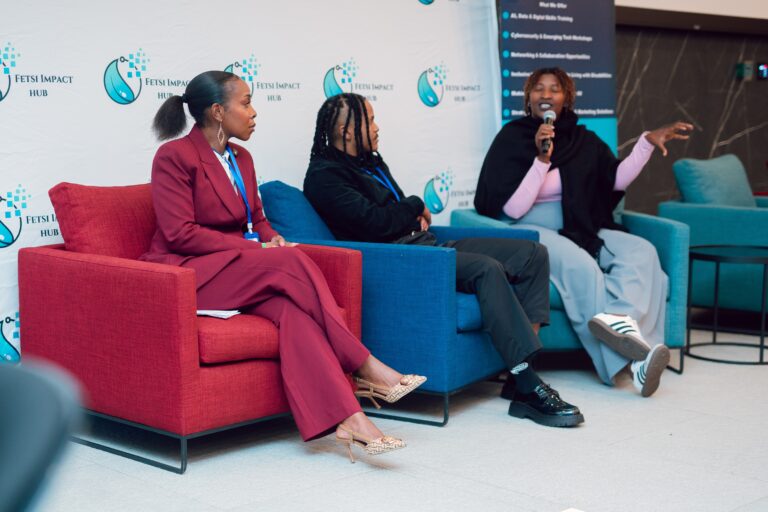
The youth-focused fireside chat examined how young Africans can transition from technology consumers into creators, entrepreneurs and innovators.
Panelists explored the importance of advanced digital skills, AI literacy and stronger pathways between education, industry and entrepreneurship.
The discussion on the digital future of transport examined how artificial intelligence, intelligent mobility platforms and data-driven systems can improve safety, accessibility and efficiency across Africa’s transport ecosystem.
Trust, Regulation and the Future of Digital Governance
The final discussions focused on one of the most important challenges facing the AI ecosystem: building trust.
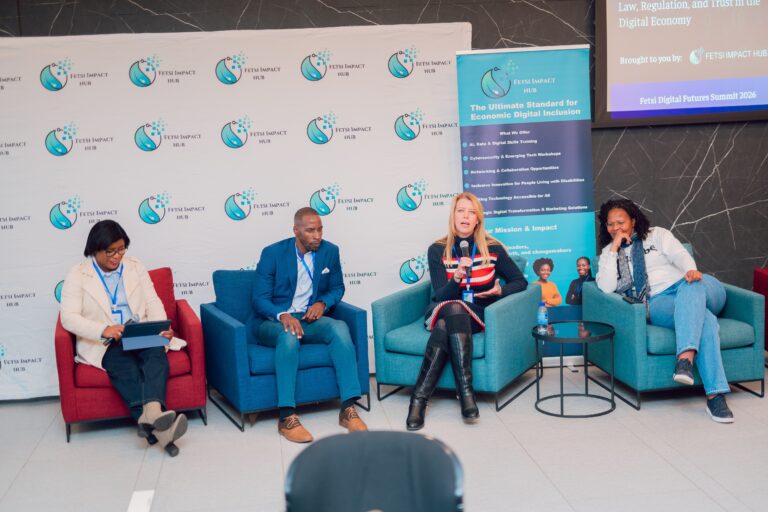
The session on “Governance of Digital Assets and AI Systems: Law, Regulation and Trust in the Digital Economy” explored the evolving regulatory environment surrounding AI, data protection, cybersecurity and digital assets.
Industry experts examined how organisations can balance innovation with accountability while building trusted digital ecosystems that protect citizens and support economic growth.
Shaping Africa’s Digital Future Through Collaboration
The FETSI Digital Futures Summit 2026 reinforced the importance of collaboration in navigating Africa’s digital transformation journey.
Across keynote sessions, panel discussions and fireside conversations, a common message emerged: Africa’s AI future must be built on innovation, inclusion, responsible governance and investment in people.
As artificial intelligence continues to reshape economies and industries, the summit highlighted that Africa’s greatest opportunity lies not only in adopting emerging technologies, but in shaping how these technologies are developed, governed and used to create meaningful impact.
The conversation has started and Africa’s digital future is being shaped now.
Join the Next Chapter: FETSI Digital Futures Summit 2027
Following the success of the 2026 edition, preparations are already underway for the next chapter of Africa’s digital transformation conversation.
The FETSI Digital Futures Summit 2027 will continue bringing together technology leaders, policymakers, innovators, business executives and digital changemakers to explore the opportunities and challenges shaping Africa’s AI-powered future.
Be part of the conversation as we continue advancing discussions around artificial intelligence, digital inclusion, innovation, cybersecurity, skills development and the technologies that will define Africa’s next growth era.
Secure your seat for FETSI Digital Futures Summit 2027.